Doctor in Informatics -Artificial Intelligence
Portfolio & Curriculum Vitae



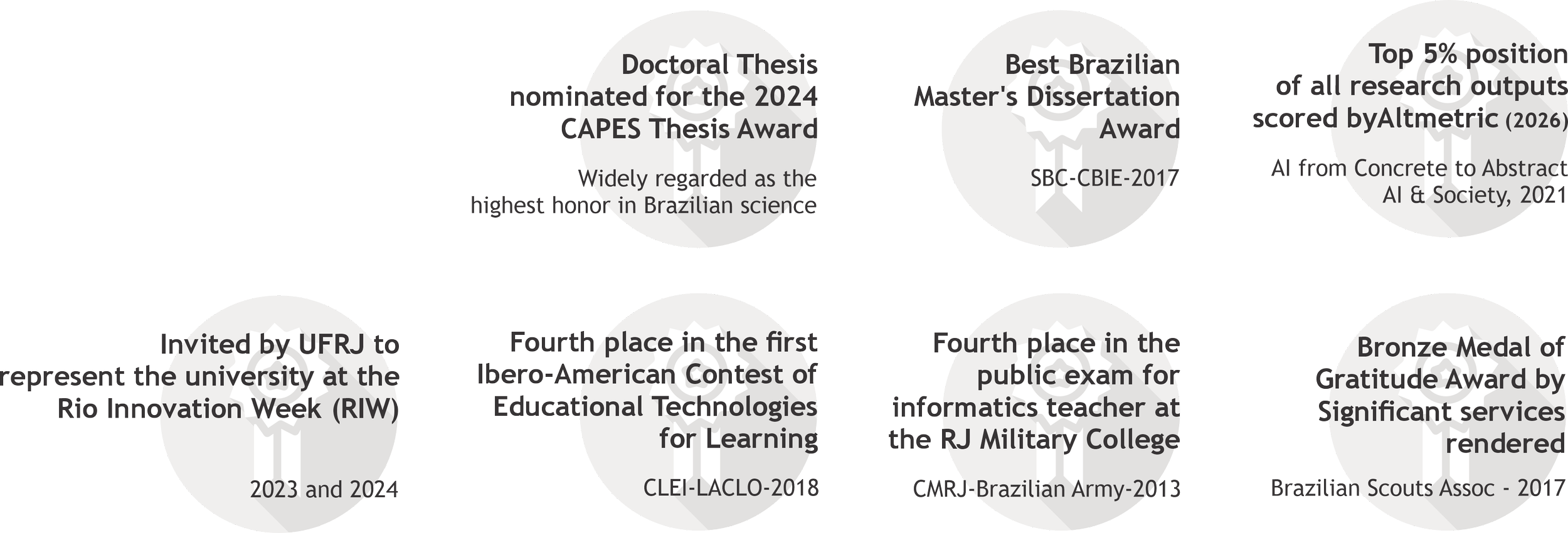
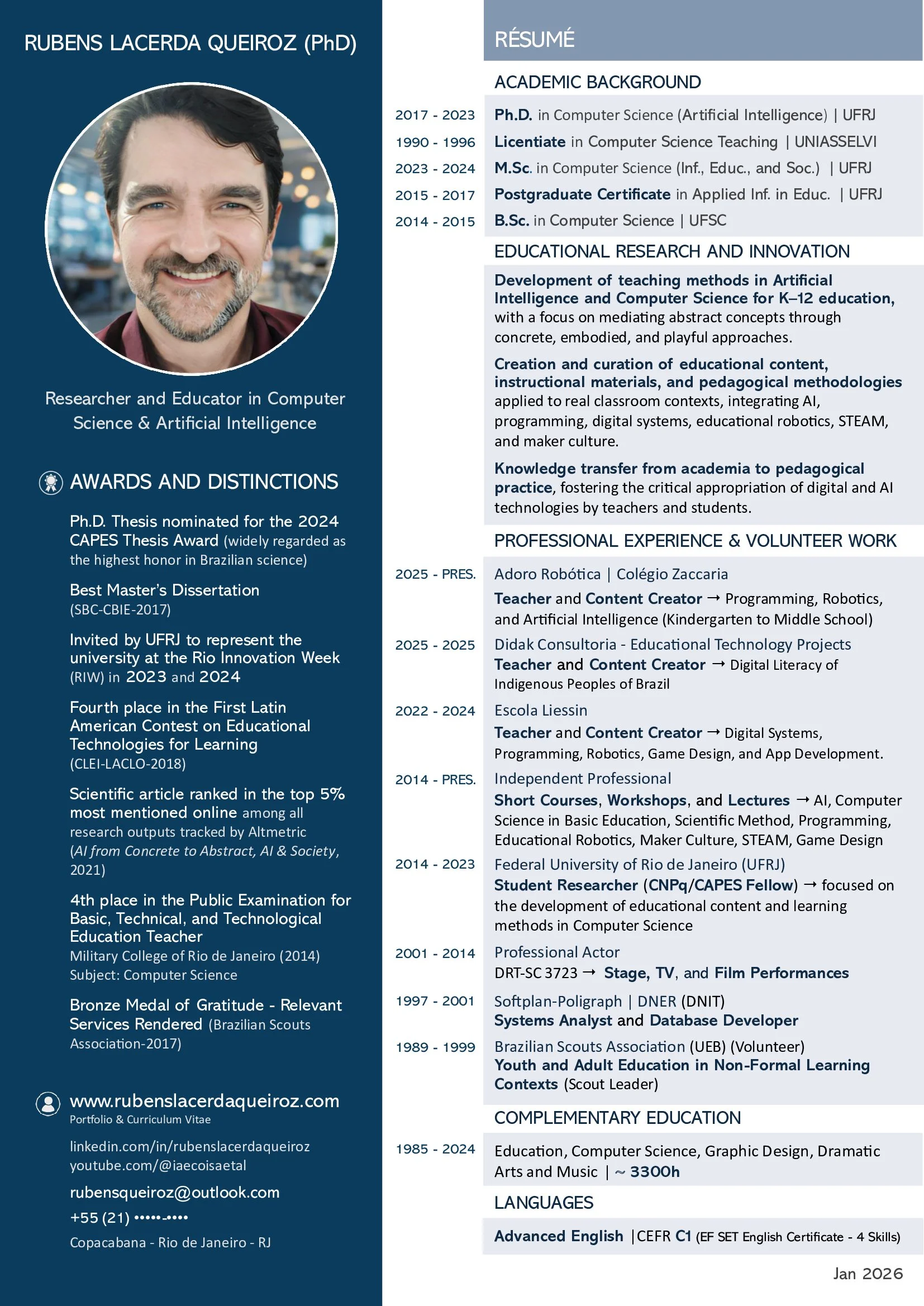
Awards & Distinctions
Rubens Lacerda Queiroz is a Brazilian researcher and educator working at the intersection of Computer Science, Artificial Intelligence (AI), and Education, with an academic trajectory linked to the Federal University of Rio de Janeiro (UFRJ) and the Federal University of Santa Catarina (UFSC). His work focuses on applied research, educational innovation, and science and technology communication, with a strong commitment to making complex technological concepts accessible and meaningful.
His research centers on the mediation of abstract concepts in computer science and AI, developing theoretical and methodological approaches that enable these ideas to be taught, understood, and critically appropriated by students, teachers, and non-specialist audiences. With particular attention to basic education and teacher education, his work contributes to the advancement of educational science by bridging computing, learning psychology, and science education with concrete pedagogical practices.
Among his most internationally recognized contributions is the article “AI from Concrete to Abstract: demystifying artificial intelligence to the general public,” published in a high-impact journal and ranked among the top 5% of research outputs worldwide according to Altmetric metrics. The doctoral thesis resulting from this research was nominated for the CAPES Thesis Award, widely regarded as the “Oscar of Brazilian Science.”
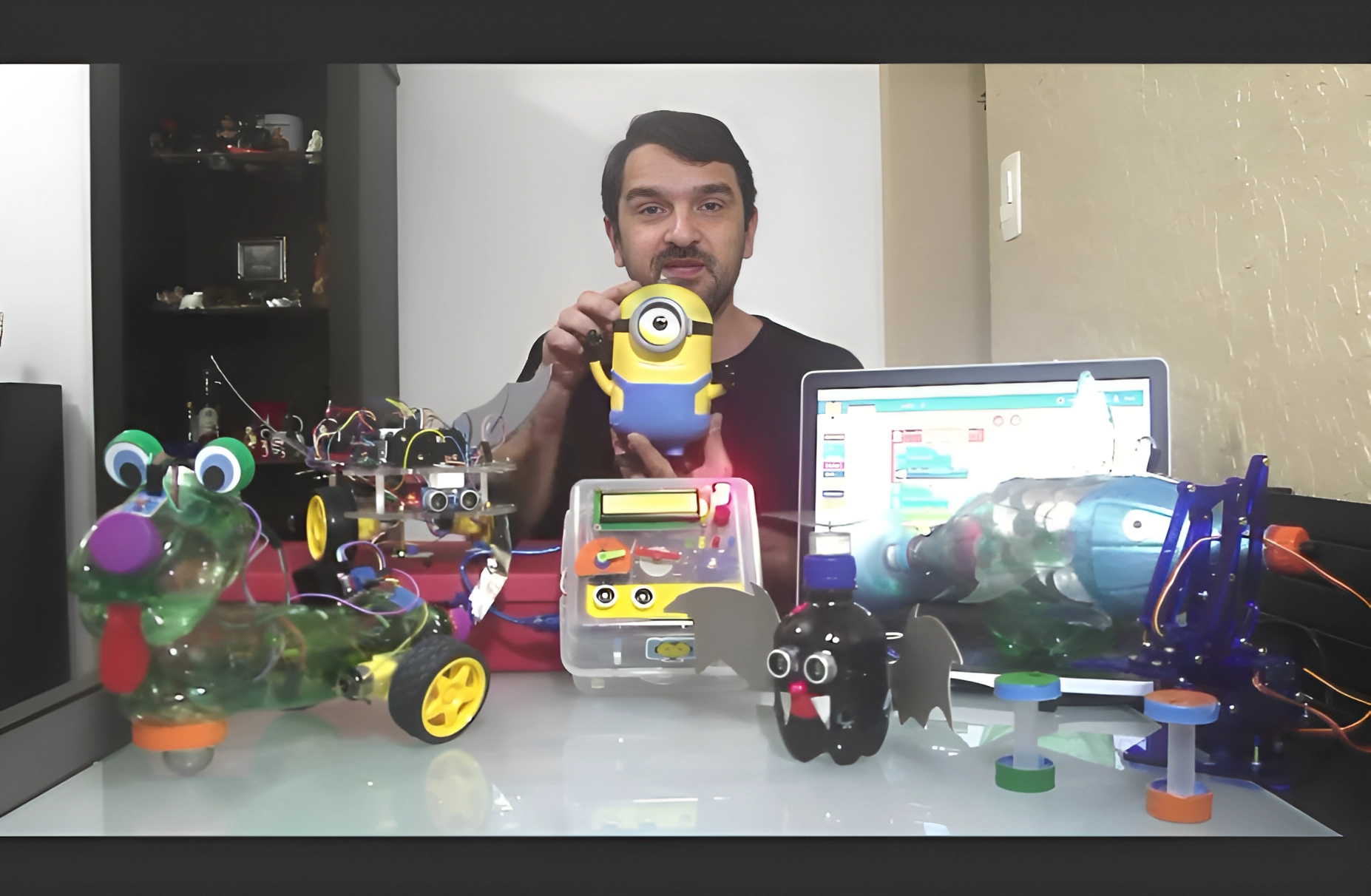
Beyond academia, Rubens is deeply engaged in educational innovation and science outreach, including the creation of DuinoBlocks4Kids, a low-cost educational robotics initiative, and sustained participation in academic, educational, and innovation communities. His work is driven by a commitment to the democratization of knowledge, the strengthening of public education, and the development of a critical and socially relevant scientific culture.
Computer Science & Education








Résumé
Résumé